

Window to Chiang Mai Thailand
Window to Chiang Mai Thailand
Elephant Care & Trekking Tours
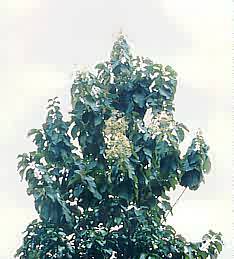
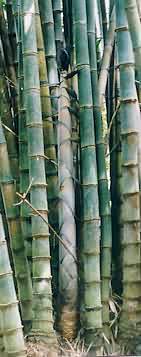 The lower dry ridges (400-950 m.) are deciduous dipterocarp - oak. Here the forest is severely disturbed by fire, with trees further apart and grasses prevalent. The trees drop their leaves to survive periods of low moisture. The dry grasses and fallen organic matter that would otherwise provide nutrients to the soil have regularly been destroyed by fire; seedlings from species not resistant to fires are destroyed, further cladding to the cycle of disturbance.
In the gullies between ridges, a higher water table allows evergreen species to survive producing mixed deciduous/evergreen forest. There is much more moisture and a much higher diversity of species here. The thick canopy prevents the grasses from taking hold. During the dry season, the cool, moist gullies become refuges as animals and insects migrate from the dry ridges.
Evergreen forest survives at elevations (above 1000 M.) where rainfall is higher. The rich soil supplies moisture and nutrients to the trees, which in turn feed the biomass below with leaf fall. The permanent canopy lowers temperatures, and the water retention capability of the rich black soil reduces evaporation. Watersheds high up release precious fresh water that form the streams running off the mountains. Destruction of this evergreen forest causes the land below to dry up. On the highest part of the mountain (above 1500 m.) there are pine trees as well stands of magnolia, oak and chestnut.