

Window to Chiang Mai Thailand
Window to Chiang Mai Thailand
Elephant Care & Trekking Tours
The northern house was built on stilts and had walls made of woven bamboo or wood that inclined slightly outwards. Sloping thatched or tiled roofs had barge boards which crossed at the apex to form decorative galae. A ladder to the terrace could be raised as protection.
Modern village houses are an evolution of this design, with the open area beneath the house serving as a cool daytime workplace. Separate small buildings raised on stilts served as rice granaries and are still common in older villages.
Houses known as huan galae belonging to wealthier families consist of two or more units with steeply sloping roofs and an outside terrace raised on stilts. The open terrace is used for relaxation and receiving guests.
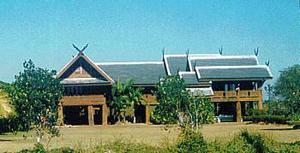 The Lanna house traditionally holds an altar on the terrace and an altar for the ancestral spirits on the eastern wall of the bedroom. A delicately carved piece of wood, known as a ham yon (magic testicles), which guarded against evil forces, was fitted to the upper part of the bedroom door frame.
As a mark of hospitality, many houses have a stand with a water bowl and ladle made from a coconut husk placed near the entrance to the home for anyone who is thirsty.
The Old Chiang Mai Cultural Center and Banyen have northern Thai style houses and there is a newly restored 140 years old house at which you can take a look at. For more informaation please visit the following webpage Newly restored 140-year-old house in Chiang Mai.
If you like to see northern designs in house decor, several shops featuring Lanna designs may be found on the west end of the Night Bazaar Building.